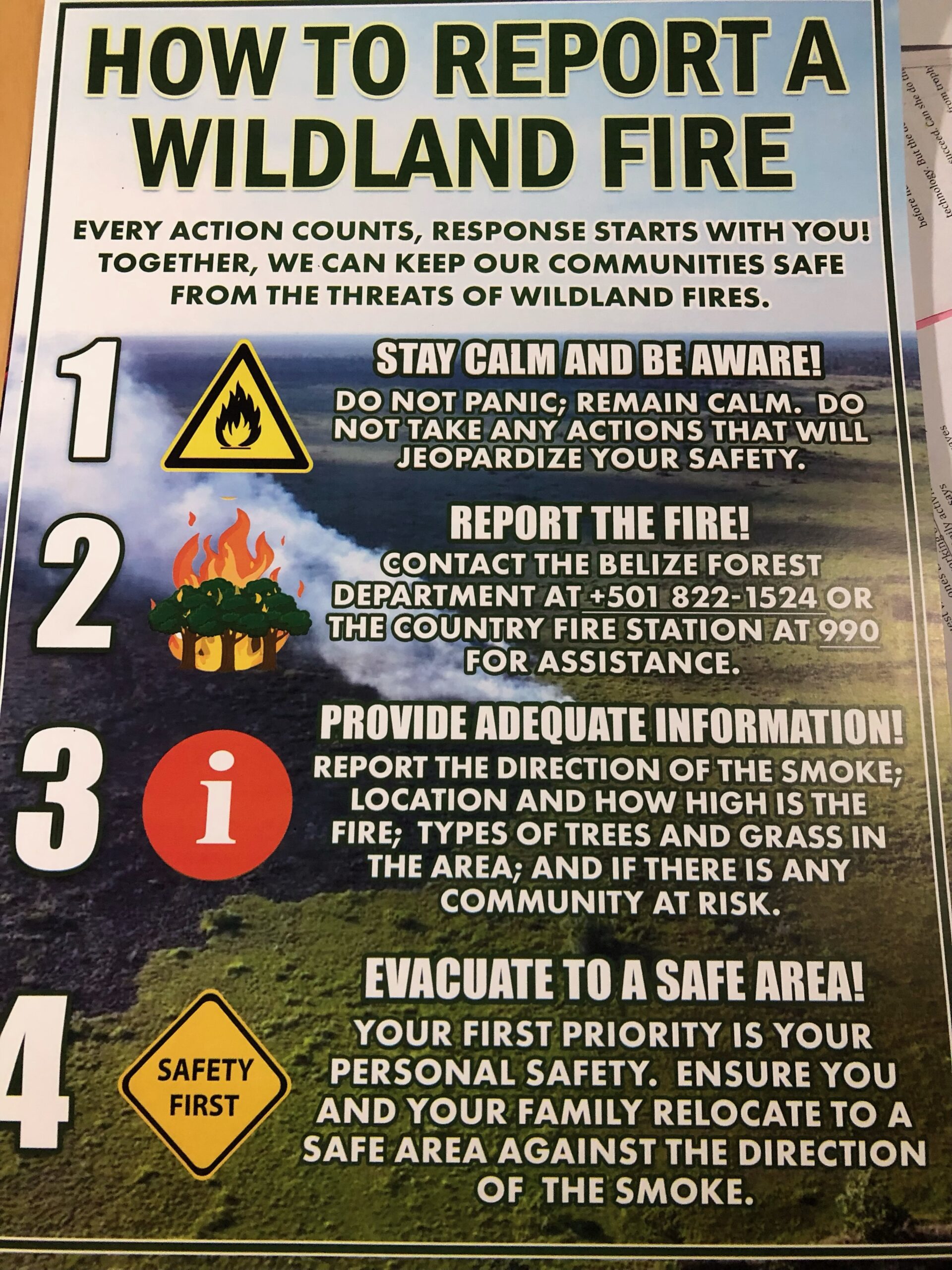
Fire Emergency Hotline: Call 990
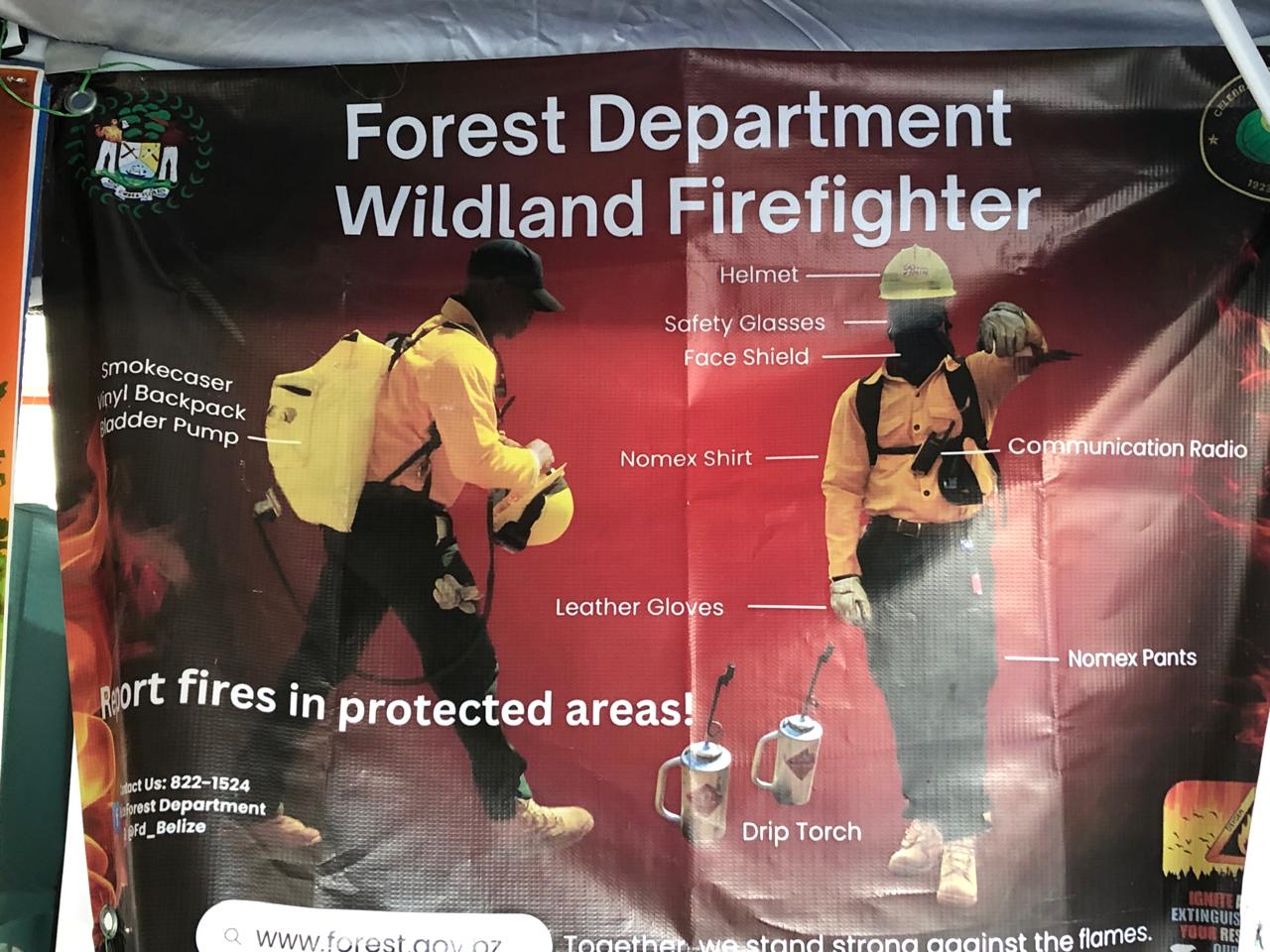
Belize National Fire Service:
Services Offered:
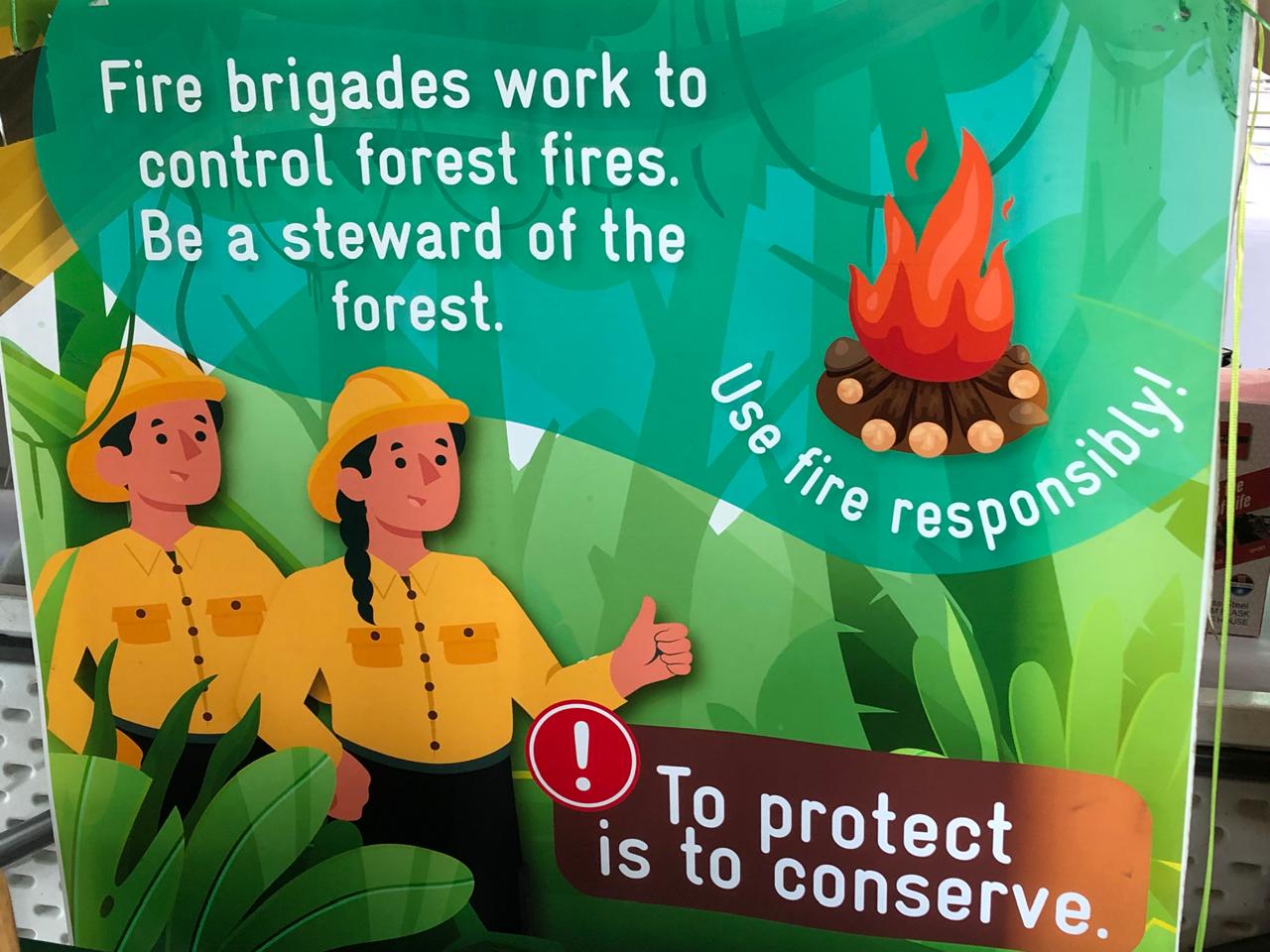
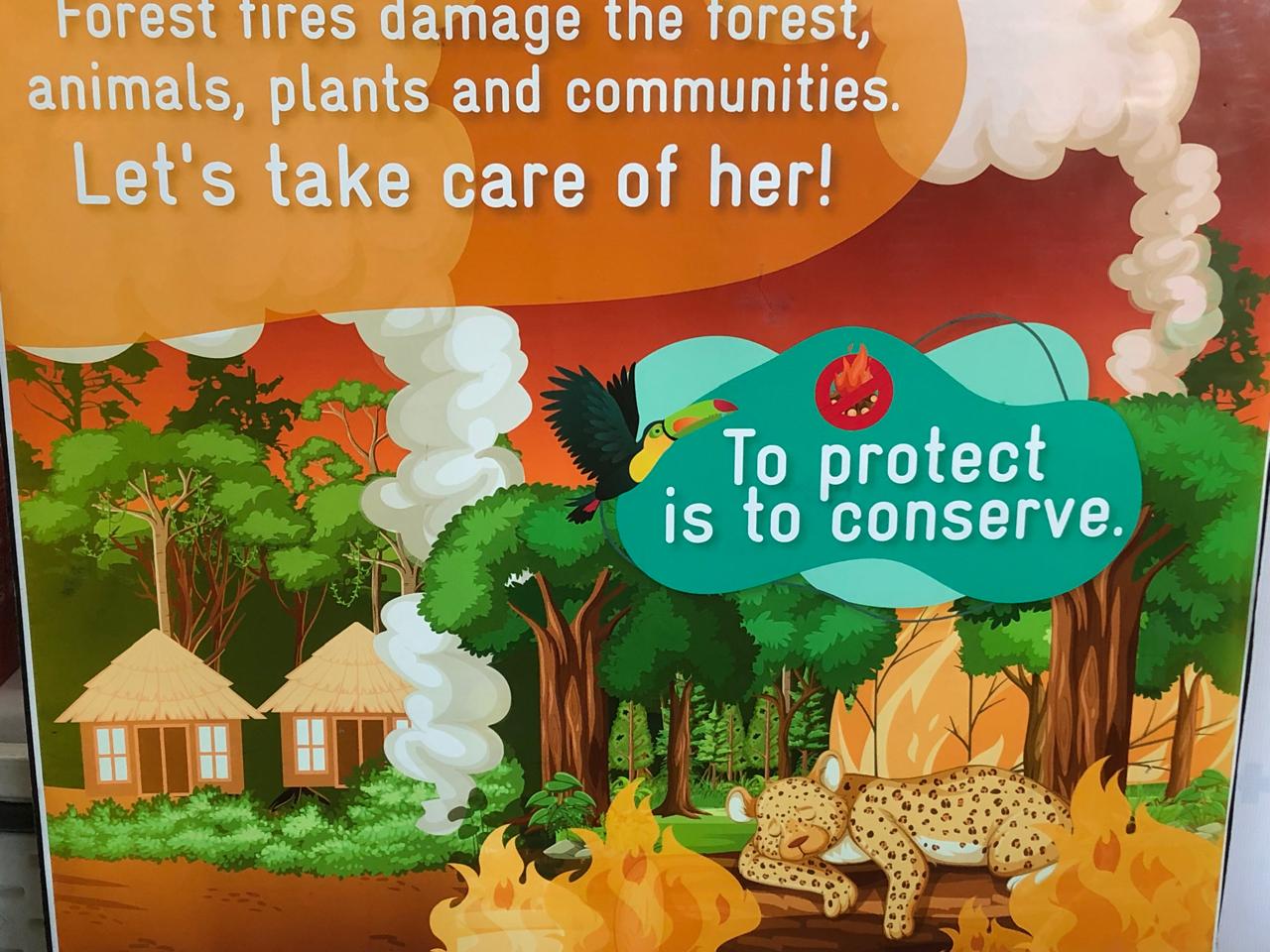
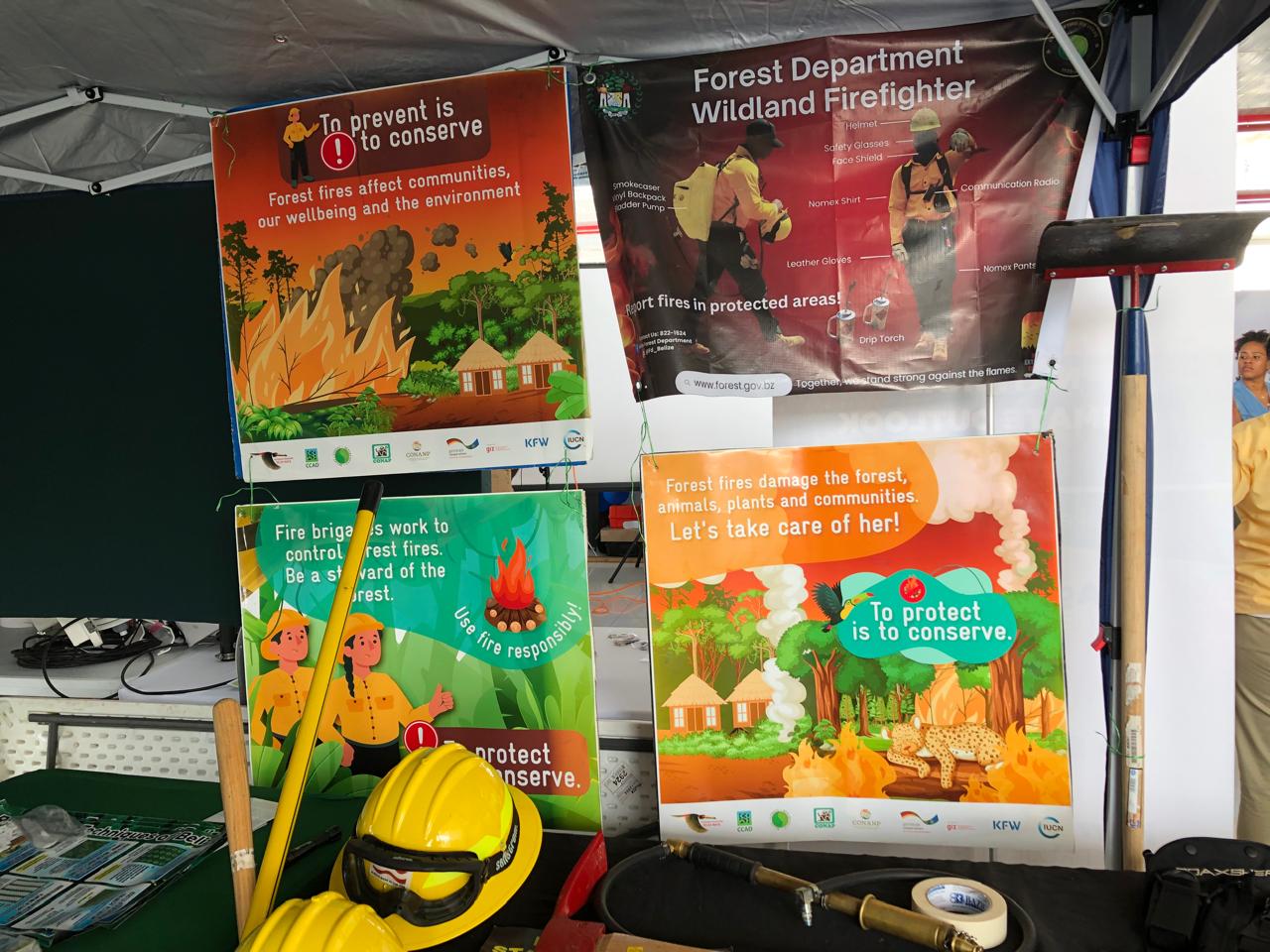
To protect life and property.
To make Belize safer from fires and explosive hazards through an efficient and effective Fire Service.
The Belize National Fire Service shall create a safer Belize from fires and explosive hazards for its people through public education and highly trained personnel, working in cooperation with relevant agencies and organizations.
Direct contact information for fire stations across Belize
Email:[email protected] or[email protected]
Email:[email protected]
Phone:223-1183
Training Programs & Workshops
Share Your Fire Training Programs!
We invite you to post your fire training programs here! Let the public know about your Community Service! Help us build a comprehensive directory of fire safety training opportunities across Belize. Faiya Taiga thanks you for your dedication to community safety!
Fire Safety Training 1
Duration: 2 hours
Essential fire safety skills for households and communities
Fire Safety Training 2
Age-appropriate fire safety education for children and teens
Fire Safety Online Training 3
Self-paced online course
Understanding natural fire cycles and ecosystem health
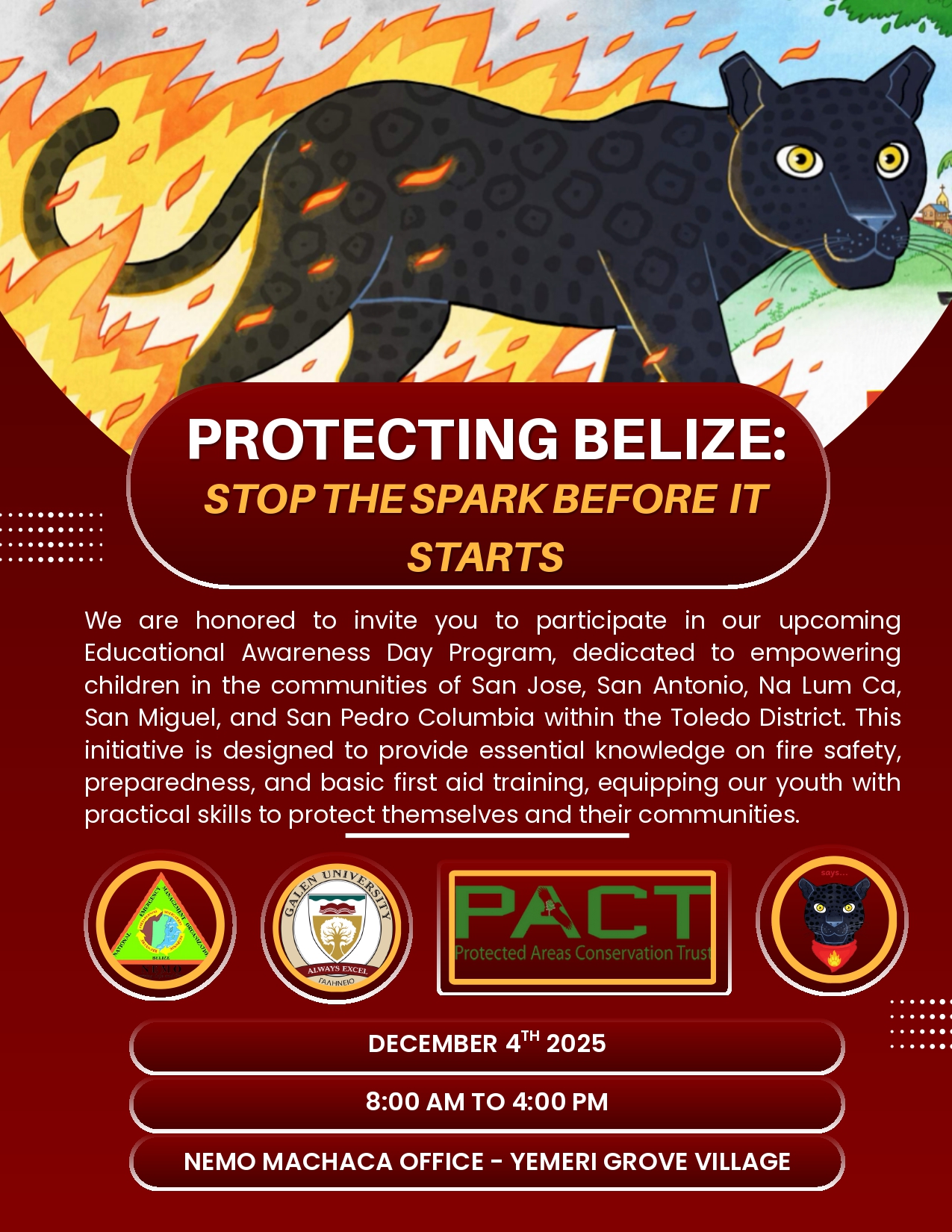

It’s very exciting that this is happening!
Research Articles & Publications
Belize Forest Department Resources Link: https://forest.gov.bz/resources/
Forest Fire Communication Strategy (Belize, 2017–2022)
Authors: Ministry of Agriculture, Forestry, Fisheries, the Environment & Sustainable Development
Description: Outlines a national communication plan to prevent and manage forest fires through public education, coordination, and stakeholder engagement.
Key Points:
Forest Fire Protection Act (Belize, Cap. 212)
Authors: Government of Belize, Law Revision Commission
Description: Legal framework establishing powers for fire prevention, management, and penalties for negligence in forested areas.
Key Points:
National Protected Areas Systems Act (2024)
Authors: Government of Belize
Description: Modernizes the management of protected areas and biodiversity, ensuring coordinated conservation and enforcement.
Key Points:
Belize National REDD+ Strategy (2021)
Authors: Forest Department, Ministry of Sustainable Development
Description: Strategy to reduce emissions from deforestation and forest degradation while supporting community livelihoods.
Key Points:
Ecuador’s Amazonía sin Fuego Programme (2022)
Authors: Daniel Segura et al., Ministry of Environment (Ecuador)
Description: Regional program showing successful fire-prevention strategies without using fire for land clearing.
Key Points:
Rio Bravo Conservation & Management Area (2015)
Authors: Programme for Belize
Description:
Management plan for a major forest reserve emphasizing biodiversity and fire control.
Key Points:
Related Research: Faiya Taiga Story Themes
Did Nature Heal During the Pandemic ‘Anthropause’
Authors: Emily Anthes (New York Times essay)
Description:
Explores whether reduced human activity (the “anthropause”) during COVID-19 lockdowns actually benefitted nature, and how scientists are studying those effects.
Key Points:
Studies debunk ‘nature is healing’ narrative from 2020 lockdowns
Authors: Emily Anthes (New York Times essay)
Description:
Explores whether reduced human activity (the “anthropause”) during COVID-19 lockdowns actually benefitted nature, and how scientists are studying those effects.
Key Points:
Planet on the move: Reimagining conservation at the intersection of migration, environmental change, and conflict
Authors: Emily Anthes (New York Times essay)
Description:
Explores whether reduced human activity (the “anthropause”) during COVID-19 lockdowns actually benefitted nature, and how scientists are studying those effects.
Key Points:
If you don’t know history, then you don’t know anything.
You are a leaf that doesn’t know it is part of a tree.